
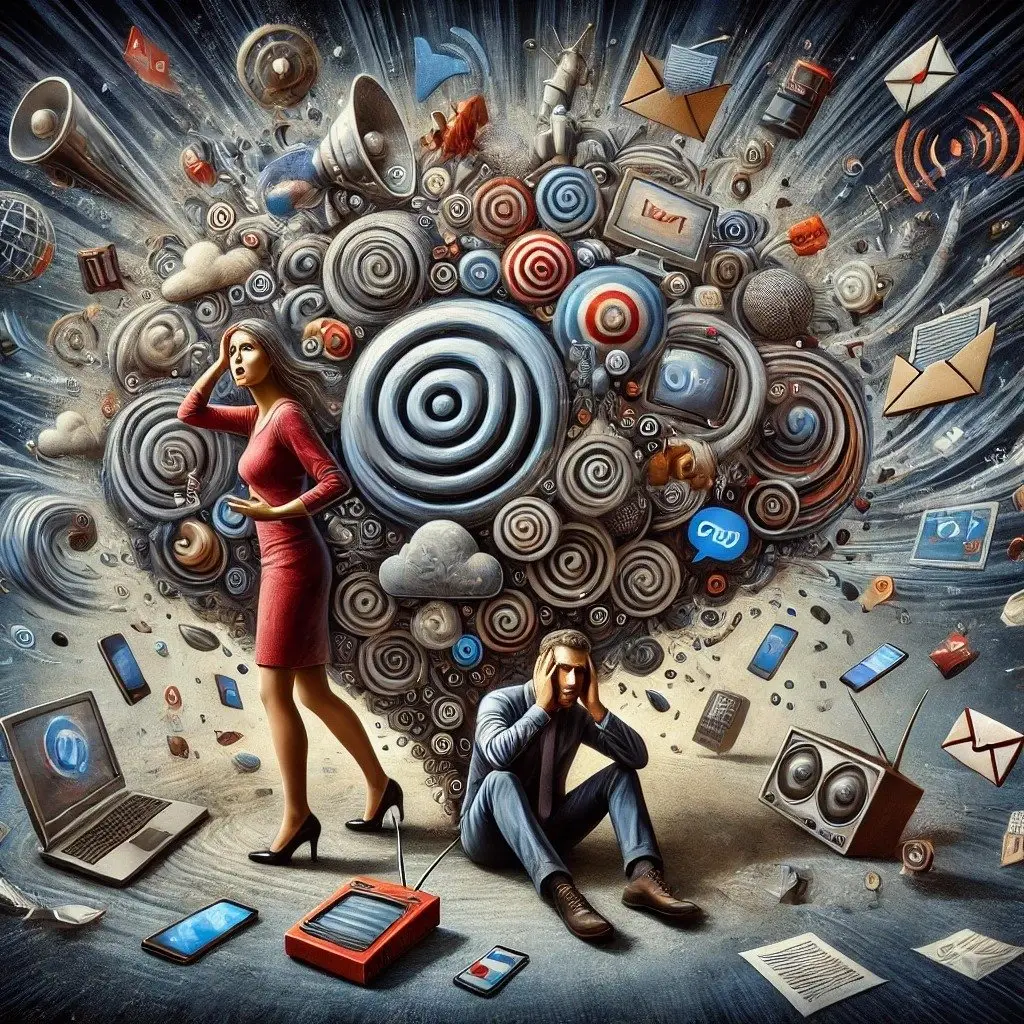
Algorithms aren’t neutral—they shape our culture, decisions, and democracy. This article explains how they work and why we need to take back control.
Anyone who has browsed the internet has felt uneasy about how content, products, or even ideas seem to “follow” us across every social network. This phenomenon is no coincidence. It’s the result of algorithms: sets of mathematical rules that process data and make decisions. While their initial purpose was to improve platform efficiency, their current impact is much deeper.
The Power of Algorithms
The scope of this power was demonstrated by the controversy over ‘+57’, the Colombian reggaeton “We Are the World.” The criticism it sparked for normalizing the sexualization of minors fueled its virality: in one week, it accumulated millions of streams. The case reveals a disturbing dynamic: algorithms reward controversial content because it generates more “engagement,” regardless of ethical implications or social impact.
This influence shapes our perception of the world and affects our decisions and relationships. Algorithms are not neutral. They are built from data framed by the social, cultural, historical, and geographical circumstances in which they are generated, reflecting the values of those who design them.
How Algorithmic Power Operates
This power operates on three interconnected levels. First, they exercise direct power over individuals, shaping behaviors through personalized filters. Second, they act as amplifiers, allowing certain actors—companies, politicians, artists—to expand their influence with surgical precision. Third, the corporations controlling these systems determine the rules of the global digital game.
Algorithmic Capitalism and Its Consequences
We’ve entered what scholars call “algorithmic capitalism,” a transformation that goes beyond surveillance. It redefines work through automation, reconfigures social relations through digital mediation, and establishes new power mechanisms based on controlling information flows.
This ecosystem is reshaping democratic public space, creating “tailor-made realities” where different social groups live in completely distinct informational universes. Algorithms not only increase our biases but establish powerful echo chambers that make it difficult for citizens to encounter different perspectives.
Ethical Challenges and Taking Control
Algorithmic bias perpetuates discrimination. Facial recognition systems show higher error rates for women and people with darker skin. Hiring algorithms can discriminate based on gender, race, or origin.
The ‘+57’ case illustrates how algorithms, with their capacity to amplify content and shape our perceptions, have a profound impact on culture, values, and public space. Media and information literacy empowers us to resist manipulation and actively participate in building a more ethical digital environment. The future of our democracy depends on our ability to develop a more conscious and critical relationship with algorithms.